The next wave of customer engagement is rapidly approaching, poised to redefine the relationship between brands and consumers by 2026. We are moving past simple digital interactions and into an era of deeply integrated, intelligent, and emotionally resonant experiences. The changes on the horizon are not just incremental; they represent a fundamental restructuring of marketing …
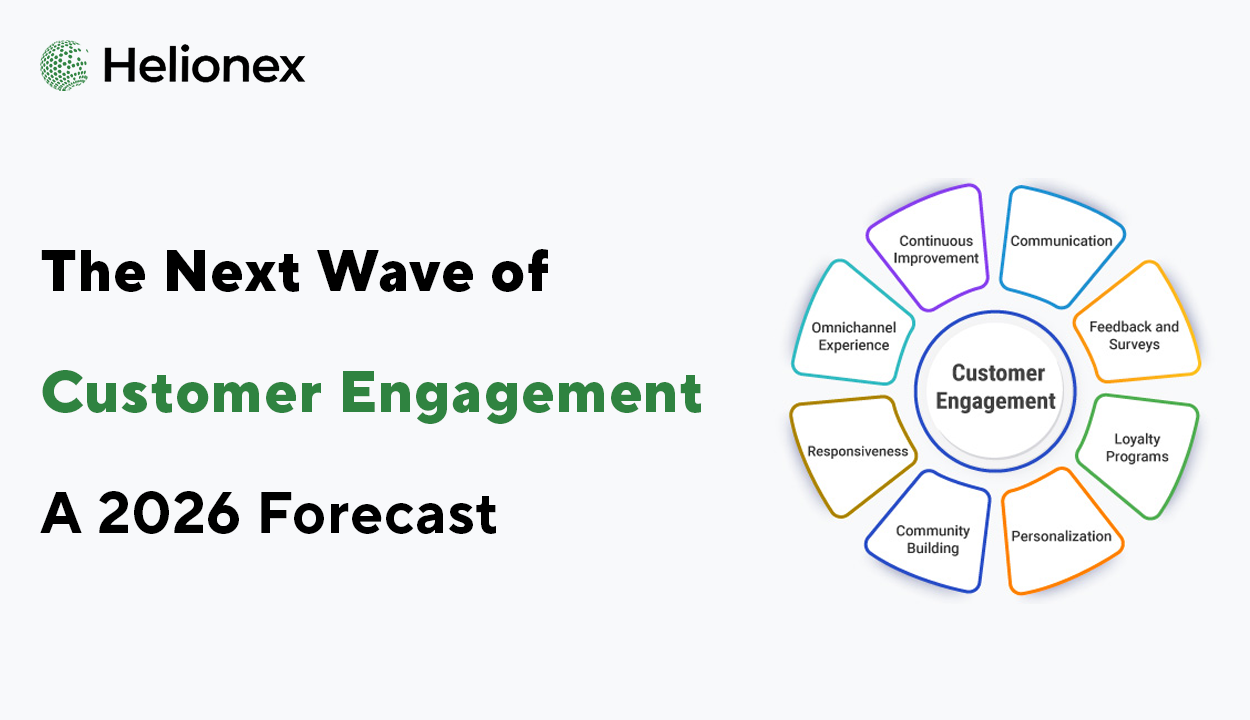
The next wave of customer engagement is rapidly approaching, poised to redefine the relationship between brands and consumers by 2026. We are moving past simple digital interactions and into an era of deeply integrated, intelligent, and emotionally resonant experiences. The changes on the horizon are not just incremental; they represent a fundamental restructuring of marketing strategy, technology, and philosophy. For marketers aiming to stay ahead, understanding these shifts is not just beneficial; it is essential for survival and growth. This comprehensive forecast will explore the key trends, technologies, and strategies that will shape customer interactions in 2026 and beyond.
Unpacking the Next Wave of Customer Engagement for 2026
To effectively navigate the future, brands must look beyond current practices and anticipate the forces that will govern the market. The coming years demand a proactive stance, where preparation involves mastering new tools, adopting new mindsets, and restructuring operations to be more agile and customer-centric.
1. From Hyper-Personalization to Predictive Individualization
For years, hyper-personalization has been the gold standard, using data to tailor content and offers. By 2026, this will evolve into predictive individualization. This advanced approach uses sophisticated AI and machine learning models not just to react to customer behavior but to anticipate their future needs, desires, and even unstated intentions.
Instead of a website simply showing you products related to your last purchase, it will predict what you’ll need next week based on a complex web of data points: your current location, the weather, recent social media activity, and even biometric data from your smartwatch. For example, a fitness apparel brand could proactively suggest hydration supplements after its system notes a customer has completed a series of high-intensity workouts logged on their connected device.
To achieve this, marketers will need to integrate massive, diverse datasets into a unified customer profile. The challenge lies not only in the technology but also in the ethical handling of this deeply personal information. Brands that succeed will be those that build unwavering trust, demonstrating transparency and providing undeniable value in exchange for data.
2. The Tangible Metaverse: Blending Digital and Physical Realities
The metaverse discussion will mature from a conceptual buzzword into a tangible, multi-layered ecosystem by 2026. It will not be a single, monolithic entity but a collection of interconnected virtual and augmented reality spaces where commerce, entertainment, and social interaction converge.
Augmented Reality (AR) will become the primary bridge between the digital and physical worlds. Imagine trying on virtual sneakers in your living room through an AR filter that perfectly maps them to your feet, or using your smartphone camera to see how a new sofa would look in your home, complete with realistic lighting and shadows. Brands like IKEA and Warby Parker have pioneered this, but by 2026, AR-driven commerce will be a standard expectation.
Virtual Reality (VR) will offer fully immersive brand worlds. A car manufacturer could create a VR showroom where customers can test drive a new model on a simulated Martian landscape. A travel company could offer virtual tours of exotic destinations, allowing potential tourists to “experience” a place before booking. These experiences create powerful emotional connections and offer a level of engagement that traditional media cannot match. Investing in these advanced digital assets will require careful budgeting, making it essential for marketing departments to streamline financial management to free up capital for innovation.
3. Generative AI as a Full-Stack Creative Partner
By 2026, generative AI will transition from a supplementary tool to a full-stack creative and strategic partner. Its capabilities will extend far beyond generating simple copy or images.
- Strategic Campaign Development: Marketers will input a high-level goal, such as “increase market share by 5% among Gen Z,” and AI will generate multiple complete campaign strategies. These strategies will include target audience psychographics, channel recommendations, content pillars, creative concepts, and even budget allocation models.
- Dynamic, Multi-Format Content Creation: AI will produce entire suites of content in real time. A single prompt could yield a long-form blog post, a series of social media videos, an interactive email campaign, and personalized ad copy, all consistent in tone and message.
- Hyper-Realistic Synthetic Media: The use of AI-generated avatars and virtual influencers will become mainstream. These digital personas can be active 24/7, speak any language flawlessly, and be customized to perfectly align with a brand’s identity, offering a controlled and scalable way to engage global audiences.
The role of the human marketer will shift from content creator to creative director and AI orchestrator. Success will depend on the ability to craft intelligent prompts, critically evaluate AI-generated output, and infuse it with genuine human insight and emotional intelligence.
4. The Rise of the Authenticity Economy
As AI and automation become ubiquitous, human authenticity will become the most valuable brand commodity. Consumers, increasingly aware of synthetic media and automated interactions, will place an unprecedented premium on genuine connection, transparency, and purpose.
In 2026, brands will thrive by embracing radical transparency. This means openly sharing information about their supply chains, labor practices, carbon footprint, and even their business challenges. The clothing brand Patagonia has long been a leader in this space, building immense loyalty through its commitment to environmental activism and transparent communication.
Purpose-driven marketing will no longer be a “nice-to-have.” Consumers will actively choose and advocate for brands whose values align with their own. This requires a purpose that is deeply embedded in the company’s DNA, not just a superficial marketing campaign. Brands will need to prove their commitment through consistent action, community investment, and measurable social impact.
5. The Decentralized Customer Relationship
The traditional model of a brand owning the customer relationship through a centralized CRM is eroding. By 2026, the rise of Web3 technologies, including blockchain and decentralized identities, will empower consumers to own and control their personal data.
This shift introduces the concept of a decentralized customer relationship. Instead of brands collecting data, consumers will manage their own data wallets and grant brands permission to access specific information for a defined purpose and duration. This will flip the power dynamic, forcing brands to earn access to data by offering clear value propositions.
For marketers, this means moving away from data harvesting and toward building direct, token-gated communities. Brands can create exclusive experiences, content, and rewards for community members who opt-in, fostering a more equitable and engaged relationship. While this presents a significant technical and strategic challenge, it also offers an opportunity to build more loyal, trust-based communities. Companies will need to adjust their budgets to accommodate these new platforms, and a plan to streamline financial management will be crucial for allocating funds to these emergent technologies.
6. The Immersive Community Hub
Online communities will evolve from simple forums and social media groups into immersive, interactive hubs. These spaces, often built within a brand’s own metaverse presence or on platforms like Discord, will become central to the customer experience.
By 2026, these communities will be co-created by the brand and its members. Brands will provide the platform and resources, but the community itself will drive content, events, and even product development. For example, a gaming company might give its community members the tools to design and sell their own in-game items, sharing the revenue with the creators.
These hubs will serve multiple functions:
- Customer Support: Peer-to-peer support will become the first line of defense, with brand advocates helping new users.
- Product Innovation: Brands will use their communities as a perpetual focus group, co-creating and testing new ideas.
- Loyalty and Advocacy: By fostering a sense of belonging and ownership, these communities will turn passive customers into passionate brand evangelists.
Preparing for 2026: Your Actionable Roadmap
Embracing the future of customer engagement requires more than just awareness; it demands decisive action.
- Invest in a Unified Data Infrastructure: Break down data silos now. To power predictive individualization, you need a clean, centralized, and ethically managed data ecosystem that can integrate information from all touchpoints.
- Establish an AI & Metaverse R&D Pod: Create a small, agile team dedicated to experimenting with emerging AI tools and metaverse platforms. Their goal should be to test, learn, and develop pilot programs that can be scaled as the technologies mature.
- Champion Data Literacy and AI Fluency: Train your entire marketing team, from interns to the CMO, on the fundamentals of data analysis and generative AI. The ability to “speak AI” will be a core competency for all marketers.
- Define and Live Your Brand Purpose: Go beyond a mission statement. Identify your core values and embed them in every aspect of your business, from hiring to product sourcing to customer service. Be prepared to prove it with action.
- Begin Web3 Experimentation: Start exploring the world of decentralized technologies. Launch a small-scale NFT project, create a token-gated channel in Discord, or simply begin educating your team on the principles of blockchain and data ownership.
Conclusion
The journey toward 2026 will be marked by unprecedented technological advancement and a profound return to human values. The brands that will lead the future are those that can master the delicate balance between intelligent automation and genuine authenticity. As companies gear up to invest in the complex technologies required for this new era from AI systems to metaverse platforms the need to streamline financial management becomes paramount. Efficiently managing resources ensures that capital is available for these critical innovations, enabling brands to build the infrastructure for deeper, more meaningful connections. By embracing predictive individualization, building tangible metaverse experiences, and fostering authentic, decentralized communities, you can prepare your organization to not just survive, but to thrive in the next wave of customer engagement.