What is Digital Transformation? Digital transformation is the strategic process of integrating digital technologies into all areas of a business to fundamentally change how it operates, delivers value, and interacts with customers.Understanding what digital transformation involves allows companies to adopt new tools and processes that enhance efficiency, drive innovation, and improve the overall customer experience.Unlike …
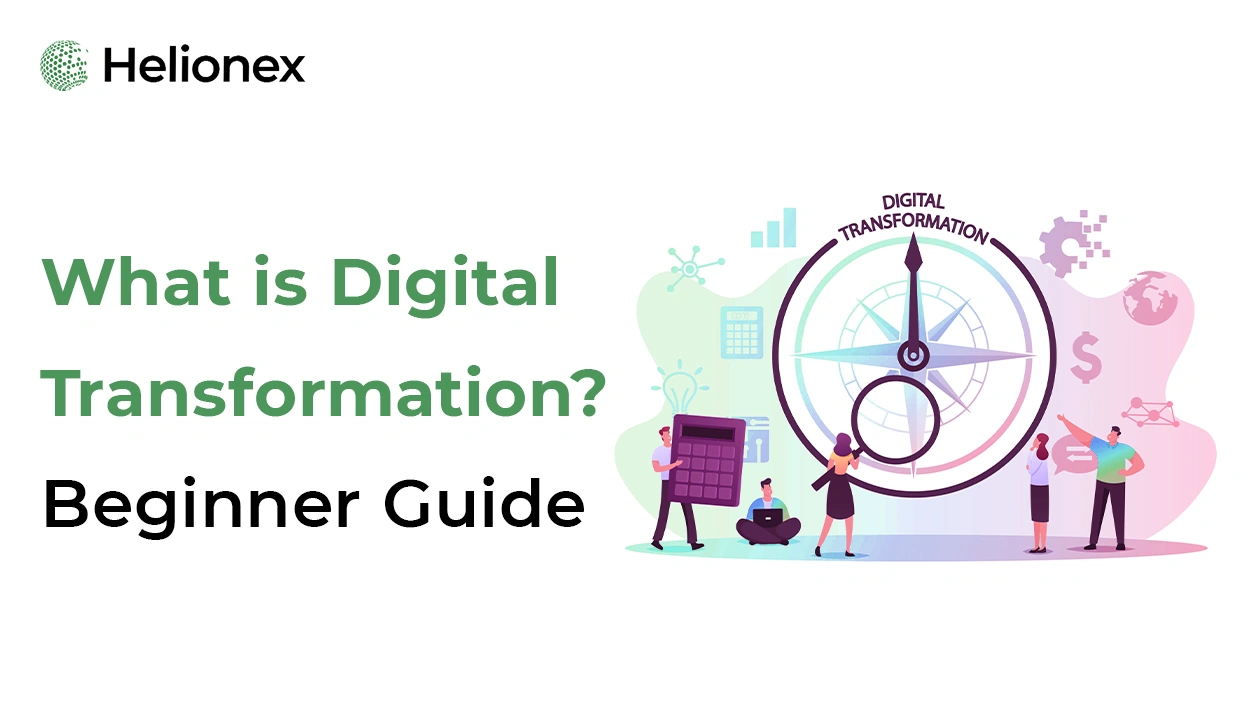
What is Digital Transformation? Digital transformation is the strategic process of integrating digital technologies into all areas of a business to fundamentally change how it operates, delivers value, and interacts with customers.
Understanding what digital transformation involves allows companies to adopt new tools and processes that enhance efficiency, drive innovation, and improve the overall customer experience.
Unlike simple digitisation, which converts analogue information into digital format, digital transformation reshapes workflows, culture, and business models to enable agility, innovation, and data-driven decision-making. It affects processes, customer experiences, and employee engagement, aligning technology adoption with organisational goals.
Digital transformation is more than moving from paper to digital systems. It’s about rethinking your entire business approach: how work is done, how customers experience your products, and how your organisation adapts to change.
Comparison between Digitisation vs Digital Transformation
Digitisation is the process of converting analogue information into digital format, such as scanning documents or moving records online. But what is digital transformation? Digital transformation goes beyond simply converting data it reshapes business processes, culture, and models to drive innovation, enhance agility, and create a sustainable competitive edge. Understanding what digital transformation involves helps organisations implement the right strategies and technologies to stay ahead in a rapidly evolving digital world.
While digitisation improves efficiency, digital transformation drives meaningful change across the entire organisation. Understanding the distinction helps businesses focus on long-term growth rather than only short-term technological upgrades.
Aspect | Digitization | Digital Transformation |
Focus | Convert analogue to digital | Rethink processes & business models |
Scope | Limited to technology | Organisation-wide change |
Outcome | Efficiency | Innovation & competitive advantage |
Culture Impact | Minimal | High; requires adoption & mindset shift |
Examples | Paper forms to digital | AI-driven customer support, automated workflows |
While digitisation is a step in the process, transformation is the bigger picture—it’s about reshaping your business for the digital era. Analytics guide smarter strategy and faster problem-solving, while tools like SEO optimisation services help ensure your digital initiatives reach the right audience effectively.
Why Digital Transformation Matters
By adopting technologies such as cloud computing, AI/ML, IoT, and automation, companies can respond faster to market shifts, deliver personalised customer experiences, and innovate products and services continuously.
For executives and business leaders, embracing digital transformation strategies, digital business models, and enterprise transformation initiatives helps future-proof operations and ensures sustainability in a rapidly evolving digital economy.
Without understanding what is digital transformation, businesses risk inefficiencies, poor customer engagement, and falling behind more agile competitors, making what is digital transformation? A critical driver of long-term growth.
Digital transformation impacts every corner of your business. Here’s why it’s critical:
- Boosts Efficiency: Streamlines processes, reduces waste, and frees employees for higher-value work.
- Enhances Customer Experience: Personalised services, 24/7 support, and consistent experiences across devices.
- Encourages Innovation: Quickly adapts to new technologies and market trends.
- Supports Data-Driven Decisions: Analytics guide smarter strategies and faster problem-solving.Future-Proof Your Business: Stay competitive in a digital-first market.
Personalised services, 24/7 support, and consistent experiences across devices, supported by social media marketing strategies, ensure customers stay connected with your brand wherever they are.
Why Digital Transformation Matters – What Is Digital Transformation?
Understanding what is digital transformation? and how it works is key to implementing it successfully within any organisation. At its core, digital transformation involves integrating technologies such as cloud computing, artificial intelligence (AI), machine learning (ML), the Internet of Things (IoT), and business process automation into operations to improve efficiency, productivity, and the overall customer experience.
Companies typically begin by assessing their current digital maturity, identifying gaps in processes, and defining measurable objectives to understand what is digital transformation? Leadership alignment and fostering a culture of innovation are critical, as digital tools alone cannot drive change. Implementation is often phased, starting with pilot projects, testing new workflows, and scaling successful initiatives, to ensure that digital transformation strategies deliver tangible results.
By continuously monitoring key performance indicators (KPIs), leveraging data-driven insights, and iterating processes, businesses ensure that what is digital transformation? It delivers measurable ROI, operational improvements, and strategic advantage. Understanding what digital transformation entails helps organisations implement strategies that maximize value and long-term success.
Streamlining processes and improving customer engagement can be further enhanced with email marketing campaigns that deliver timely, relevant information directly to your audience.

Requires Cultural and Operational Change
Digital transformation is not only about adopting new technologies; understanding what is digital transformation? It is essential because it requires fundamental cultural and operational shifts within an organisation. Without embracing change, even the most advanced technology will fail to deliver results. Leaders must foster a culture of innovation, continuous learning, and collaboration, empowering employees to experiment and confidently adopt new digital transformation tools.
Operational processes must be redefined to integrate technology seamlessly, eliminating inefficiencies while supporting scalability. Resistance to change, lack of clear communication, and misaligned incentives are common barriers.
By prioritising people, processes, and technology together, businesses ensure that digital tools enhance productivity, improve decision-making, and create sustainable value rather than simply adding complexity or disrupting existing workflows.
Core Technologies
- AI & Machine Learning: Automate decisions and generate actionable insights.
- Cloud Computing: Flexible, scalable infrastructure for modern businesses.
- IoT: Real-time data collection for smarter operations.
- Automation / RPA: Reduce repetitive tasks and boost productivity.
- Analytics: Measure impact and guide strategy effectively.
Implementation Roadmap (Checklist)
- Assess current processes and digital maturity.
- Define clear business objectives and KPIs.
- Identify the right technology solutions.
- Align leadership and nurture a culture of change.
- Implement in phases to manage risk and adoption.
- Monitor outcomes and iterate improvements.
Mini Case Example
A mid-size retail company adopted cloud-based inventory management with AI analytics. Within six months:
- Stock-outs fell by 30%
- Online sales jumped 18%
This shows how small, smart steps can drive measurable impact.
Phased Transformation for ROI & Adoption
A stepwise, phased approach to digital transformation significantly improves adoption and ROI. Understanding what is digital transformation? this helps organisations implement pilot programmes, iterative rollouts, and measurable milestones rather than attempting enterprise-wide changes all at once. This approach ensures smoother adoption and tangible results from each digital transformation initiative.
This approach allows teams to learn, adapt, and optimise processes incrementally, demonstrating what is digital transformation? in practice while minimising disruption. Employees are more likely to embrace new technology when it is introduced gradually, with proper training and support. Stepwise implementation also enables leadership to track performance metrics, identify bottlenecks, and validate the value of each digital transformation initiative before scaling across the organisation.
By combining careful planning, stakeholder engagement, and continuous feedback, businesses can achieve higher adoption rates, better financial returns, and increased employee engagement, ensuring transformation is sustainable and impactful over time.
Common Mistakes Businesses Make
Even when organisations understand what digital transformation is, many fail to execute it effectively due to common mistakes that undermine results. One frequent error is focusing solely on technology without addressing cultural change or employee adoption; new tools alone cannot drive meaningful business impact.
Another pitfall is a lack of a clear strategy or roadmap, leading to scattered initiatives that fail to align with organisational goals. Companies also often ignore KPIs or ROI measurement, making it difficult to assess the success of digital transformation initiatives. Additional mistakes include rushing implementation without proper testing, underestimating training needs, or neglecting leadership alignment.
Avoiding these mistakes requires a holistic understanding of what is digital transformation? Balancing technology adoption, process optimisation, and cultural change to achieve measurable benefits, sustained engagement, and operational efficiency. By knowing what digital transformation entails, organisations can implement strategies that deliver long-term value and success.
- Focusing only on technology without addressing culture.
- Ignoring employee adoption and training.
- Skipping KPIs and ROI tracking makes it hard to measure success.
Pro Tip: Always combine technology upgrades with leadership alignment and employee empowerment for better results.
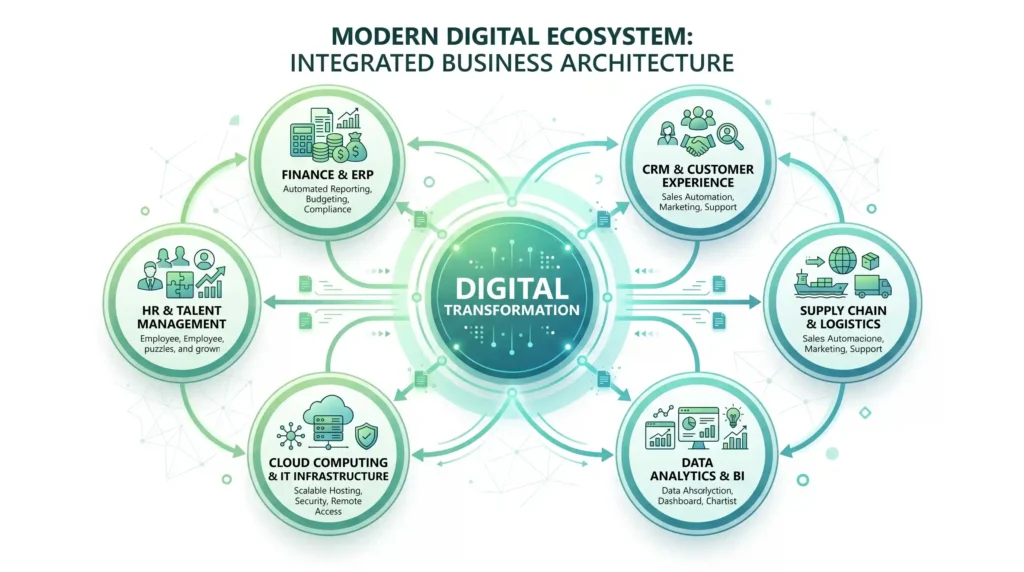
Track Success: Operational, Financial, and Customer Metrics
Monitoring the success of digital transformation requires a balanced approach across operational, financial, and customer metrics. Understanding what is digital transformation? It basically helps organisations define the right KPIs. Operational metrics measure efficiency improvements, such as reduced process cycle times, faster response rates, and the impact of automation. Financial metrics assess cost savings, revenue growth, and ROI from technology investments, ensuring that each digital transformation initiative delivers measurable value.
Customer metrics focus on satisfaction, engagement, and retention, often using Net Promoter Score (NPS), user feedback, or digital engagement data. Tracking all three categories ensures transformation initiatives are holistically effective, revealing which strategies deliver value, where adjustments are needed, and how investments contribute to overall business goals.
By continuously measuring these metrics, companies can optimise workflows, guide decision-making, and justify future technology investments.
When This Advice May Not Apply
While understanding what digital transformation is is crucial for most organisations, this advice may not apply universally. Startups or very small businesses with minimal digital infrastructure might not require a full-scale transformation; in such cases, lightweight cloud tools or simple automation solutions may suffice.
Similarly, industries with heavy regulatory or compliance constraints, such as healthcare, finance, or government, may face slower adoption cycles due to legal, security, or privacy requirements.
Organisations with limited resources or insufficient leadership alignment may also struggle to implement a comprehensive digital transformation roadmap effectively. In these scenarios, businesses should focus on incremental digital adoption, targeted process improvements, and prioritising technology that delivers measurable value, rather than attempting enterprise-wide transformation prematurely.
- Startups with minimal digital needs.
- Industries with heavy regulatory constraints.
- Companies lack resources for phased implementation.
Key Metrics & KPIs
Measuring success is crucial to understanding what is digital transformation? Ensuring your initiatives deliver real business value. Key metrics and KPIs should cover operational, financial, and customer-focused outcomes, helping organisations track the effectiveness of their digital transformation strategies.
Operational metrics can include process cycle times, task automation efficiency, and workflow optimisation, which reveal how technology improves internal processes. Financial KPIs, such as cost savings, revenue growth, and ROI from digital initiatives, help quantify the economic impact of transformation efforts.
Customer metrics, including Net Promoter Score (NPS), engagement rates, and satisfaction surveys, provide insight into how transformation affects experience and loyalty.
By monitoring these metrics regularly and comparing pre- and post-transformation performance, businesses can identify successes, adjust strategies, and demonstrate measurable outcomes, ensuring that digital adoption is both effective and sustainable.
- Operational: Process cycle times, automation efficiency
- Customer: Satisfaction, NPS, retention metrics
- Financial: Cost savings, revenue impact
Measure ROI by comparing metrics before and after implementation.
Tools & Platforms That Support Transformation
Understanding what is digital transformation? and it also means knowing which tools and platforms can support your initiatives. For enterprise organisations, platforms like SAP, Microsoft Dynamics, and Salesforce provide robust solutions for managing complex processes, integrating data across departments, and supporting large-scale digital workflows.
Small and medium-sized businesses (SMBs) can benefit from more flexible, user-friendly tools such as Zoho, Monday.com, and Freshworks, which allow for easier adoption, quick deployment, and cloud-based collaboration.
Automation platforms like UiPath and Zapier streamline repetitive tasks, connect disparate systems, and enhance productivity across teams. By selecting the right mix of platforms tailored to organisation size and digital maturity, businesses can accelerate transformation, optimise operations, and ensure ROI while empowering employees to adapt seamlessly to new workflows.
Organization Size | Platforms |
Enterprise | SAP, Microsoft Dynamics, Salesforce |
SMB | Zoho, Monday.com, Freshworks |
Automation | UiPath, Zapier |
Platforms and technologies, coupled with strong web development solutions, allow businesses to integrate automation, AI, and analytics into user-friendly digital experiences.

Partner with Helionex
Understanding what is digital transformation? only one thing; making it happen successfully is another. That’s where Helionex comes in. We partner with businesses to turn digital transformation from a strategy into measurable results.
Whether you’re a startup exploring cloud-based tools or a large enterprise implementing AI, automation, and IoT, our team provides hands-on guidance, practical roadmaps, and expert support every step of the way.
We help organisations assess digital maturity, align leadership, redesign workflows, and engage employees, ensuring technology adoption is smooth and impactful.
By working with Helionex, you can accelerate digital adoption, minimise risks, and achieve tangible ROI, while helping your team understand what is digital transformation? and confidently embrace innovation. True digital transformation isn’t just about tools; it’s about people, processes, and measurable results that drive long-term success.
Conclusion
Understanding what digital transformation is is essential for any business aiming to stay competitive and relevant in today’s fast-paced digital landscape.
Successful digital transformation goes beyond implementing new technologies; it requires understanding what is digital transformation, in a way the aligning people, processes, and culture with strategic objectives. Organisations that embrace digital transformation initiatives can streamline operations, enhance customer experiences, foster innovation, and achieve measurable ROI.
However, businesses must avoid common pitfalls such as focusing solely on technology, ignoring cultural change, or failing to track key performance indicators.
By taking a structured, phased approach, leveraging tools like cloud computing, AI, IoT, and automation, and continually monitoring outcomes, companies can ensure lasting benefits and future-proof their operations.
Digital transformation is a strategic imperative, not an optional upgrade. When approached correctly, it:
- Improves efficiency and innovation
- Enhances customer and employee experience
- Prepares your business for future challenges
Remember: technology alone isn’t enough. Success comes from aligning people, processes, and culture alongside digital tools.
FAQs
- What is digital transformation?
Digital transformation is the strategic use of technology to improve business operations, processes, and customer experiences. - How does it differ from digitisation?
Digitisation converts analogue information to digital; transformation reshapes processes, culture, and business models. - Why is digital transformation important?
It drives efficiency, innovation, and better customer experiences while keeping your business competitive. - Which technologies are core?
Cloud, AI/ML, IoT, automation, and analytics are key enablers. - How can a business start digital transformation?
Assess current maturity, define objectives, choose tech, align leadership, implement in phases, and measure results. - What are common mistakes to avoid?
Focusing only on technology, neglecting culture, and failing to track KPIs or ROI.